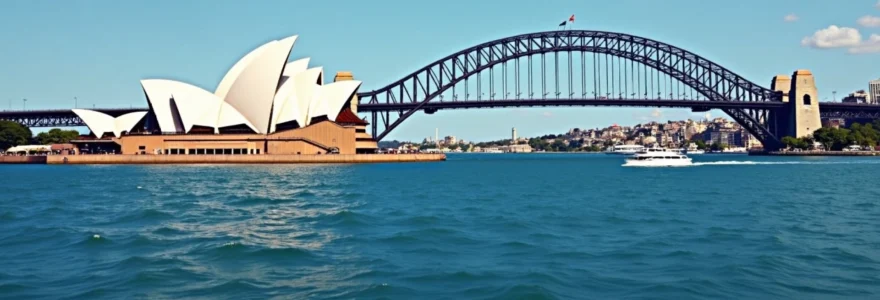
Sydney, Australia’s largest city, captivates visitors with its stunning harbour, world-famous architecture, and breathtaking coastal scenery. This vibrant metropolis seamlessly blends urban sophistication with natural beauty, offering an unparalleled experience for travellers and locals alike. From the architectural marvels gracing the harbour to the picturesque coastal walks hugging the shoreline, Sydney boasts an array of iconic sights and hidden gems waiting to be discovered.
Sydney harbour’s architectural marvels: opera house and harbour bridge
The Sydney Harbour, often referred to as the city’s crown jewel, is home to two of Australia’s most recognisable landmarks: the Sydney Opera House and the Sydney Harbour Bridge. These architectural icons not only define the city’s skyline but also serve as testament to human ingenuity and artistic vision.
Jørn utzon’s expressionist design of the sydney opera house
The Sydney Opera House, with its distinctive sail-like shells, stands as a masterpiece of 20th-century architecture. Designed by Danish architect Jørn Utzon, this UNESCO World Heritage site exemplifies the pinnacle of expressionist modern design. The building’s unique form, inspired by nature and maritime elements, creates a harmonious dialogue with its harbour setting.
Utzon’s innovative approach to architecture is evident in the Opera House’s complex geometry and the use of precast concrete shells. These shells, covered with over a million glazed white tiles, create a stunning interplay of light and shadow that changes throughout the day. The building’s interior spaces, including the concert halls and theatres, are equally impressive, featuring world-class acoustics and dramatic views of the harbour.
Engineering feat of the sydney harbour bridge: largest steel arch bridge
Affectionately known as the ‘Coathanger’ due to its distinctive shape, the Sydney Harbour Bridge is an engineering marvel that has become an integral part of the city’s identity. Completed in 1932, it held the title of the world’s largest steel arch bridge for decades. The bridge’s robust design and imposing presence serve both practical and aesthetic purposes, connecting the city’s northern and southern shores while offering panoramic views of the harbour.
The bridge’s construction was a monumental undertaking, involving the use of 52,800 tonnes of steel and six million hand-driven rivets. Its iconic arch spans 503 metres and rises 134 metres above the water, creating a striking silhouette against the Sydney skyline. The bridge not only serves as a vital transport link but also as a popular tourist attraction, offering visitors the opportunity to climb to its summit for unparalleled views of the city.
Bridgeclimb sydney: scaling the 134-metre-high summit
For thrill-seekers and adventure enthusiasts, the BridgeClimb Sydney offers a unique opportunity to scale the iconic arch of the Sydney Harbour Bridge. This exhilarating experience takes participants on a guided journey to the summit, 134 metres above sea level. Climbers are rewarded with breathtaking 360-degree views of the harbour, the Opera House, and the city skyline.
The climb is meticulously organised with safety as the paramount concern. Participants are equipped with specially designed climbing suits and harnesses, and are guided by experienced climb leaders who share fascinating stories about the bridge’s history and construction. The BridgeClimb experience is available at various times of day, including dawn, day, twilight, and night climbs, each offering a distinct perspective of the city.
Coastal walks: bondi to coogee and beyond
Sydney’s coastline is renowned for its stunning beaches and dramatic cliffs, and one of the best ways to experience this natural beauty is through the city’s coastal walks. The Bondi to Coogee Coastal Walk stands out as a must-do activity, offering a perfect blend of scenic vistas, beach culture, and unexpected discoveries along the way.
Bondi icebergs: ocean pool architecture and surf culture
The coastal walk begins at the world-famous Bondi Beach, home to the iconic Bondi Icebergs Club. This historic ocean pool , perched on the southern end of the beach, is a prime example of Sydney’s unique beach culture. The pool’s striking architecture, with its clean lines and brilliant white concrete, creates a striking contrast against the deep blue of the Pacific Ocean.
Bondi Icebergs is more than just a swimming pool; it’s a cultural institution that embodies Sydney’s love affair with the sea. The club, founded in 1929, is open to the public and offers visitors the chance to experience the thrill of swimming in a pool where waves crash over the edges during high seas. It’s also an excellent vantage point to observe Bondi’s vibrant surf scene and the ever-changing moods of the ocean.
Tamarama and bronte: hidden gem beaches along the coastal track
As the coastal walk continues south from Bondi, it leads to the smaller, more secluded beaches of Tamarama and Bronte. These hidden gems offer a more relaxed atmosphere compared to the bustling Bondi Beach, while still providing excellent swimming and surfing conditions.
Tamarama, affectionately known as ‘Glamarama’ by locals due to its reputation for attracting beautiful sunbathers, is a small but picturesque cove with powerful waves that make it popular among experienced surfers. Bronte Beach, slightly larger, features a lovely park perfect for picnics, a historic ocean pool, and a family-friendly atmosphere. Both beaches are connected by the coastal walk, which offers stunning cliff-top views and opportunities to spot migrating whales during the right season.
Waverley cemetery: victorian and edwardian monuments by the sea
One of the most unexpected and hauntingly beautiful sights along the coastal walk is the Waverley Cemetery. Perched on the cliff tops overlooking the Pacific Ocean, this Victorian-era cemetery is renowned for its elaborate marble monuments and breathtaking ocean views. The juxtaposition of ornate tombstones against the backdrop of crashing waves creates a uniquely atmospheric experience.
Established in 1877, Waverley Cemetery is the final resting place of many notable Australians, including poets, politicians, and sportspeople. The coastal walk passes directly through the cemetery, allowing visitors to explore its historical significance and architectural beauty. The cemetery’s location also provides some of the most dramatic vistas along the entire walk, making it a popular spot for photographers and history enthusiasts alike.
Coogee’s wedding cake island: snorkelling and marine ecology
The coastal walk culminates at Coogee Beach, where the distinctive silhouette of Wedding Cake Island can be seen offshore. This small, flat-topped island, named for its resemblance to a tiered wedding cake, is a focal point of Coogee’s marine ecosystem and a popular destination for snorkellers and divers.
The waters around Wedding Cake Island are part of the Bronte-Coogee Aquatic Reserve, known for its rich marine biodiversity. Snorkellers can explore the vibrant underwater world teeming with colourful fish, sea stars, and occasionally even blue gropers. For those preferring to stay on dry land, the island serves as a picturesque backdrop for Coogee Beach and can be best appreciated from the coastal walk’s final lookout points.
The rocks: sydney’s historic heart and contemporary arts scene
The Rocks, Sydney’s oldest neighbourhood, offers a fascinating blend of colonial history and contemporary culture. This historic precinct, nestled at the foot of the Sydney Harbour Bridge, has evolved from its rough-and-tumble past as a convict settlement to become a vibrant hub of art, cuisine, and heritage.
Cadman’s cottage: oldest surviving residential building in sydney
At the heart of The Rocks stands Cadman’s Cottage, the oldest surviving residential building in Sydney. Built in 1816, this sandstone structure offers a tangible link to the city’s colonial past. Originally the home of John Cadman, a former convict turned government coxswain, the cottage now serves as a museum and visitor information centre.
The cottage’s Georgian architecture and harbour-front location provide insight into early colonial life in Sydney. Visitors can explore the building’s interior, which has been carefully preserved to reflect its 19th-century appearance. The surrounding area, with its cobblestone lanes and historic buildings, offers a charming backdrop for those interested in delving deeper into Sydney’s colonial heritage.
Museum of contemporary art australia: harbor-front modern art hub
Contrasting with the historical ambiance of The Rocks is the Museum of Contemporary Art Australia (MCA). Housed in a striking Art Deco building on the harbour front, the MCA is Sydney’s premier venue for contemporary art. The museum’s collection and exhibitions showcase works by Australian and international artists, ranging from painting and sculpture to new media and performance art.
The MCA’s location offers visitors the unique experience of engaging with cutting-edge art while enjoying spectacular views of the Sydney Opera House and Harbour Bridge. The museum’s rooftop café and sculpture terrace provide an excellent vantage point for appreciating both the art within and the iconic landmarks without. Regular events, including artist talks and workshops, make the MCA a dynamic centre for cultural engagement in the heart of Sydney.
Circular quay: gateway to sydney’s ferry network
Adjacent to The Rocks, Circular Quay serves as the main ferry terminal for Sydney Harbour and a bustling transport hub. This historic quay, once the landing point for the First Fleet in 1788, now acts as a gateway to Sydney’s extensive ferry network, connecting the city centre with various harbour suburbs and beaches.
Circular Quay is more than just a transport hub; it’s a vibrant precinct where visitors can experience the essence of Sydney’s harbour lifestyle. The area is lined with cafés, restaurants, and street performers, creating a lively atmosphere throughout the day. From here, visitors can easily access key attractions such as the Opera House, Royal Botanic Garden, and The Rocks, or simply enjoy watching the constant flow of ferries, water taxis, and cruise ships against the backdrop of the harbour’s iconic landmarks.
Royal botanic garden: 200 years of australian flora
The Royal Botanic Garden Sydney, established in 1816, is a verdant oasis in the heart of the city. Spanning 30 hectares, this historic garden showcases an impressive collection of native and exotic plants, offering visitors a tranquil retreat from the urban bustle and a chance to explore Australia’s rich botanical heritage.
Mrs macquaries chair: sandstone bench with panoramic harbour views
Within the Royal Botanic Garden lies Mrs Macquaries Chair, a sandstone bench carved out of a rock ledge in 1810 for Elizabeth Macquarie, the wife of Major-General Lachlan Macquarie, Governor of New South Wales. This historic site offers one of the most spectacular vantage points for viewing Sydney Harbour, with the Opera House and Harbour Bridge framed perfectly in the distance.
The walk to Mrs Macquaries Chair takes visitors through some of the garden’s most beautiful areas, including the Palm Grove and the Oriental Garden. The site itself, with its rugged sandstone formations and harbour views, provides an excellent opportunity for photography and quiet contemplation. It’s particularly popular at sunset when the fading light casts a golden glow over the harbour and its iconic structures.
The calyx: horticultural exhibition space and living art gallery
A more recent addition to the Royal Botanic Garden is The Calyx, an integrated mix of indoor and outdoor spaces that serves as a horticultural exhibition centre and event venue. This innovative structure features a curved glasshouse and houses Australia’s largest vertical green wall, showcasing an ever-changing display of plants and flowers.
The Calyx hosts a variety of exhibitions throughout the year, focusing on different themes related to plants and their importance to human life and the environment. These exhibitions often combine botanical displays with art installations, creating a unique sensory experience for visitors. The building’s design, which seamlessly blends architecture with nature, makes it a standout feature of the garden and a must-visit destination for both plant enthusiasts and architecture aficionados.
Domain: historic public parklands and event space
Adjacent to the Royal Botanic Garden is The Domain, a large public park that has been an important part of Sydney’s cultural landscape since the early days of the colony. Originally set aside by Governor Phillip in 1788 for public recreation, The Domain continues to serve as a vital green space in the heart of the city and a popular venue for outdoor events and gatherings.
The Domain hosts a variety of events throughout the year, including open-air concerts , festivals, and public speeches. Its expansive lawns and tree-lined avenues provide ample space for picnics, sports, and leisurely strolls. The park’s elevated position also offers excellent views of the city skyline and harbour, making it a favourite spot for both locals and visitors seeking a moment of respite in nature without straying far from the city centre.
Taronga zoo: conservation and sydney skyline views
Perched on the shores of Sydney Harbour in Mosman, Taronga Zoo combines world-class animal exhibits with stunning views of the city skyline. Established in 1916, the zoo has evolved into a leading centre for conservation, education, and research, while offering visitors unique opportunities to engage with wildlife against the backdrop of one of the world’s most beautiful harbours.
Sky safari cable car: aerial journey over native and exotic wildlife
One of the most thrilling ways to experience Taronga Zoo is via the Sky Safari cable car. This aerial gondola ride takes visitors on a scenic journey from the zoo’s entrance to the top of the hill, offering panoramic views of Sydney Harbour, the city skyline, and the zoo’s exhibits below. The cable car not only provides a convenient mode of transport within the zoo but also adds an extra dimension to the visitor experience, allowing for a unique perspective on the animal enclosures and the harbour beyond.
The Sky Safari is particularly popular for its unobstructed views of Sydney’s iconic landmarks, including the Opera House and Harbour Bridge. As visitors glide above the treetops, they can spot various animals in their habitats, from giraffes and elephants to native Australian species like kangaroos and koalas. This bird’s-eye view offers a comprehensive overview of the zoo’s layout and helps visitors plan their route through the various exhibits.
Australian nightlife exhibit: nocturnal species conservation
Taronga Zoo’s Australian Nightlife exhibit offers a fascinating glimpse into the world of Australia’s nocturnal creatures. This immersive experience allows visitors to observe animals that are typically active after dark in a specially designed, low-light environment that mimics their natural habitats. The exhibit plays a crucial role in the conservation of nocturnal species , many of which are unique to Australia and facing threats in the wild.
Visitors can encounter a diverse range of nocturnal animals, including bilbies, ghost bats, and the elusive platypus. The exhibit’s clever use of reverse lighting cycles enables these creatures to display their natural behaviours during daylight hours, providing a rare opportunity to observe and learn about these often-overlooked species. Interactive displays and educational presentations complement the animal exhibits, offering insights into the ecological importance of these nocturnal animals and the conservation efforts aimed at protecting them.
Taronga centre: eco-friendly function spaces with harbour vistas
The Taronga Centre, located within the zoo grounds, exemplifies the institution’s commitment to sustainability and conservation. This multi-purpose facility serves as a venue for conferences, weddings, and corporate events, combining state-of-the-art amenities with eco-friendly design principles . The centre’s architecture incorporates sustainable materials and energy-efficient systems, aligning with Taronga Zoo’s broader environmental objectives.
What sets the Taronga Centre apart is its unparalleled location, offering sweeping views of Sydney Harbour from its function spaces and outdoor terraces. Event attendees can enjoy world-class catering and facilities while taking in the spectacular vistas of the city skyline, Opera House, and Harbour Bridge. The centre also provides a unique opportunity for after-hours zoo experiences, allowing guests to explore selected exhibits and encounter animals in a more intimate setting
. The centre’s commitment to sustainability extends beyond its physical structure, incorporating eco-friendly practices in its operations and offering educational programs that highlight the importance of conservation and environmental stewardship.
Taronga Zoo’s unique combination of world-class animal exhibits, conservation initiatives, and breathtaking harbour views make it a must-visit destination for both wildlife enthusiasts and those seeking a memorable Sydney experience. Whether you’re riding the Sky Safari, exploring the nocturnal world of Australian wildlife, or attending an event at the Taronga Centre, the zoo offers a diverse range of experiences that showcase the beauty of nature alongside the iconic Sydney skyline.