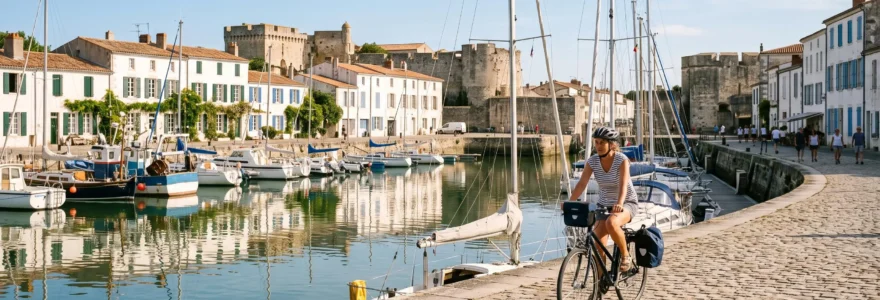
If you’re wondering how to spend 3 days on Île de Ré without wasting time on “nice but skippable” stops, the simplest method is to structure each day by area. You’ll avoid back-and-forth rides, keep the pace relaxed, and still get a rounded feel for the island: port towns, salt marshes, beaches and village life.
Below, you’ll find a practical, day-by-day itinerary designed for a long weekend. It starts with the easiest base (Saint-Martin-de-Ré), then builds around the island’s cycle network, and ends with a flexible last day depending on your departure time and the season.
A no-stress 3-day plan for Île de Ré
- Day 1 (west focus): Saint-Martin-de-Ré for ramparts and harbour, then Ars-en-Ré for salt marsh landscapes.
- Day 2 (cycling day): pick an interior-to-north loop through villages, pine forest and beaches—best done on two wheels.
- Day 3 (your call): market morning + oysters, then beach time or one last village—add the Passage du Gois only if tide times align.
- In peak season: start early and book bikes ahead; consider park-and-ride habits and shuttles to reduce hassle.
Why 3 Days Is the Ideal Length for Île de Ré
Three days is ideal because it’s enough time to see a complete cross-section of Île de Ré—without turning your break into a checklist. The key is to group visits by geography: one day around Saint-Martin and the west, one day built around cycling between villages, and a final morning for markets and a slow send-off.
This approach directly answers the main worry most long-weekend travellers have: choosing between villages and activities. Instead of trying to “do them all”, you anchor each day to one area and add only one or two meaningful detours.
Logistically, the island is built for cycling. The réseau cyclable officiel de l’île is presented by the Communauté de Communes de l’Île de Ré as 138 km of cycle itineraries (official map, 2026). That’s what makes a three-day trip realistic even without a packed schedule.
Season check before you lock your plan: in July–August, traffic and parking can add friction, so cycling and early starts matter more; in low season, some services (bike hire hours, shuttles) may run on reduced timetables.
Finally, remember that “seeing the essentials” doesn’t mean covering every corner. It means leaving with three clear memories: a Vauban port town, the open landscapes of salt marshes, and at least one long ride between beaches and villages.
Day 1: Saint-Martin-de-Ré and the West Coast
Direct answer: Start in Saint-Martin-de-Ré for the harbour and Vauban ramparts in the morning, have lunch by the port, then head west to Ars-en-Ré for salt marsh scenery and a calmer end of day.
This first day works because you combine a “town” atmosphere with wide-open landscapes, without zigzagging across the island. It’s also the easiest day to do with either a bike or a car—useful if you arrive from La Rochelle and want to settle in.
Morning: Saint-Martin-de-Ré on foot (then by bike)
Begin with a simple walking loop: old streets, the harbour quays, then the Vauban fortifications. If you’re visiting in peak season, aim for an early start so you enjoy the port before it’s busiest and you can park or collect bikes more easily.
Practical point: opening times and access conditions for the Citadelle and Vauban-related visits can vary. Check the latest details with the local tourist office before you go, especially outside summer weeks.
Midday: harbour lunch, then set your afternoon pace
For lunch, keep it simple near the port so you don’t lose time relocating. This is also the moment to decide whether your afternoon is “active” (cycling further) or “slow” (short ride + long views). If you’re travelling as a couple or family, agreeing on the pace here prevents the common Day-1 mistake: doing too much too soon.
Afternoon: Ars-en-Ré and the salt marsh landscapes
Head towards Ars-en-Ré for a different side of the island: salt marsh landscapes and big skies. It’s a rewarding contrast after the morning’s stone streets and harbour scene, and it gives you a strong sense of place without needing a long list of stops.
If you’re cycling, plan a relaxed ride and keep daylight in mind. In low season, the late afternoon light is beautiful, but services may close earlier—another reason to keep your plan simple and focused.
Day 2: Cycling the Island’s Villages and Vineyards
Direct answer: Make Day 2 your dedicated cycling day: choose one loop that links a central village (such as Loix) with a northern stop (towards Les Portes-en-Ré) and finish with a beach break—then return without backtracking too much.
This is the day that answers the big question “Which villages should you prioritise in three days?” The best choice is not “the most villages”, but one coherent route where each stop feels different: a quiet village, a nature section (forest or marsh), then the coast.
On the ground, what makes this feasible is the island’s cycling infrastructure. The Département de la Charente-Maritime notes that Île de Ré has more than 130 km of cycle itineraries and also operates free seasonal shuttles under the RespiRé network (details and periods vary by season).
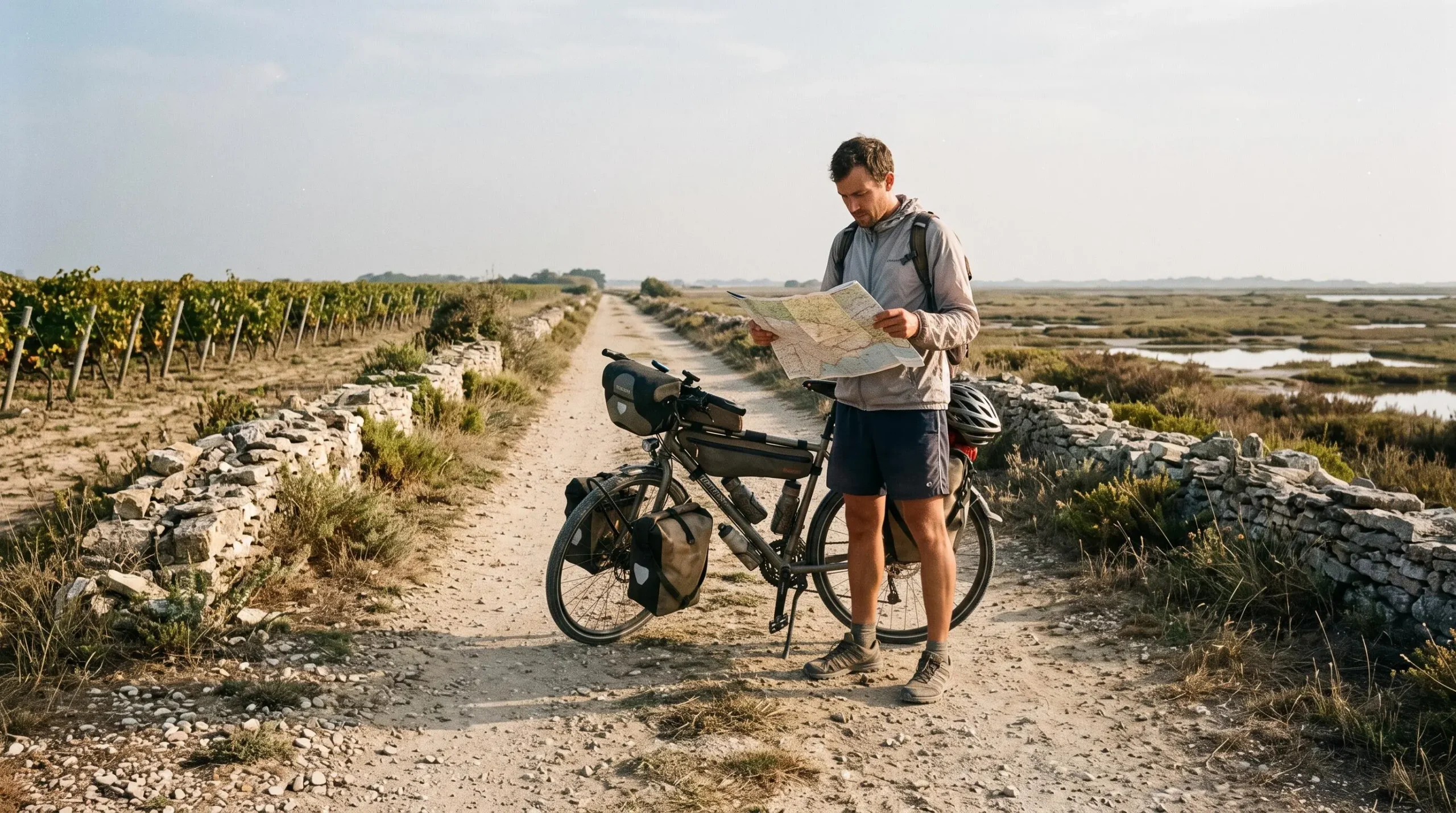
A realistic cycling loop (without rushing)
A practical loop for most visitors is: Saint-Martin-de-Ré → Loix → towards Les Portes-en-Ré → return by a coastal section where you can pause at the beach. Exact distances and riding times depend on the variant you choose, your fitness and wind conditions, so it’s worth using the official cycling map to pick a route that matches your comfort level.
If you’re not used to cycling all day, don’t over-plan stops. One village coffee break, one nature/photo break, and one longer beach stop is already a full day.
Bike vs car: what’s smarter for Day 2?
For Day 2, bike is usually the smarter choice because it removes parking friction and lets you enjoy the landscapes between places (which is part of Île de Ré’s charm). A car can still be useful if you’re staying far from your intended loop or travelling with people who can’t ride comfortably.
If you mix both, a simple method is: drive early to a convenient starting point, park once, then cycle your loop. In high season, this “park once” mindset saves time and nerves.
Where do vineyards fit in?
Vineyards and producers can be good short stops on a cycling day, as long as you keep them as “optional extras” rather than the backbone of the route. Treat them as a flexible pause: if the weather is perfect, prioritise beaches and marshes; if it’s breezy or overcast, a producer stop can make the day feel warmer and more social.
Day 3: How Should You Plan Your Last Day on the Island?
Direct answer: Plan your last day around a market morning (Saint-Martin or La Flotte), then choose one single “farewell” activity: a final beach walk, a short cycle in the marshes, or one last village—depending on your departure time.
This is where people often lose time: trying to squeeze in one more big loop. Instead, treat Day 3 as a clean, low-stress finish where you can eat well, buy something local, and still have breathing space for travel back.
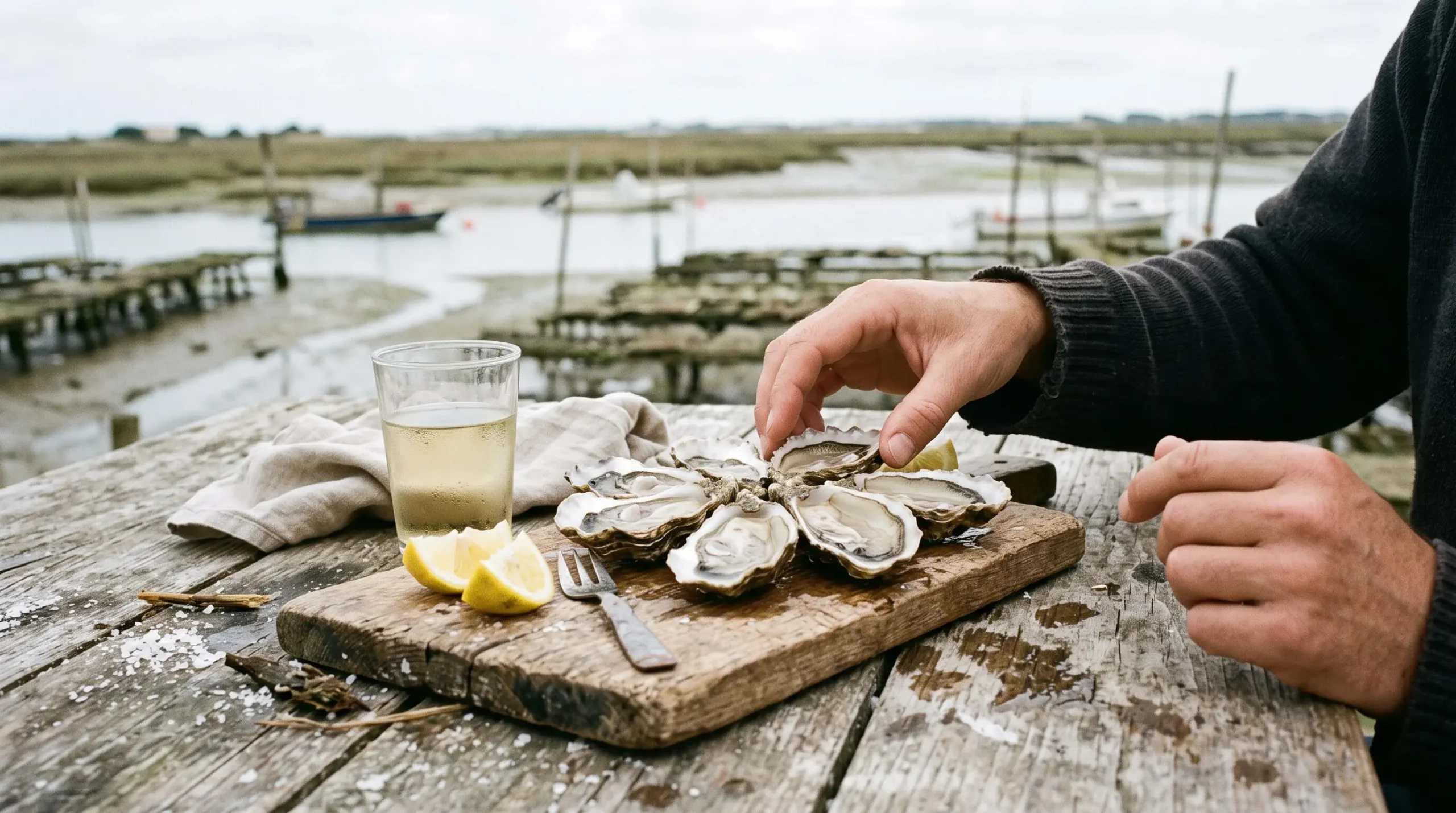
Morning: market + oysters (simple and efficient)
A market morning gives you the most “Île de Ré” feeling in the least time: produce stalls, a coffee on a square, then a seafood moment if you like oysters. Because market days and opening times vary by season and commune, confirm the schedule with the tourist office close to your trip dates.
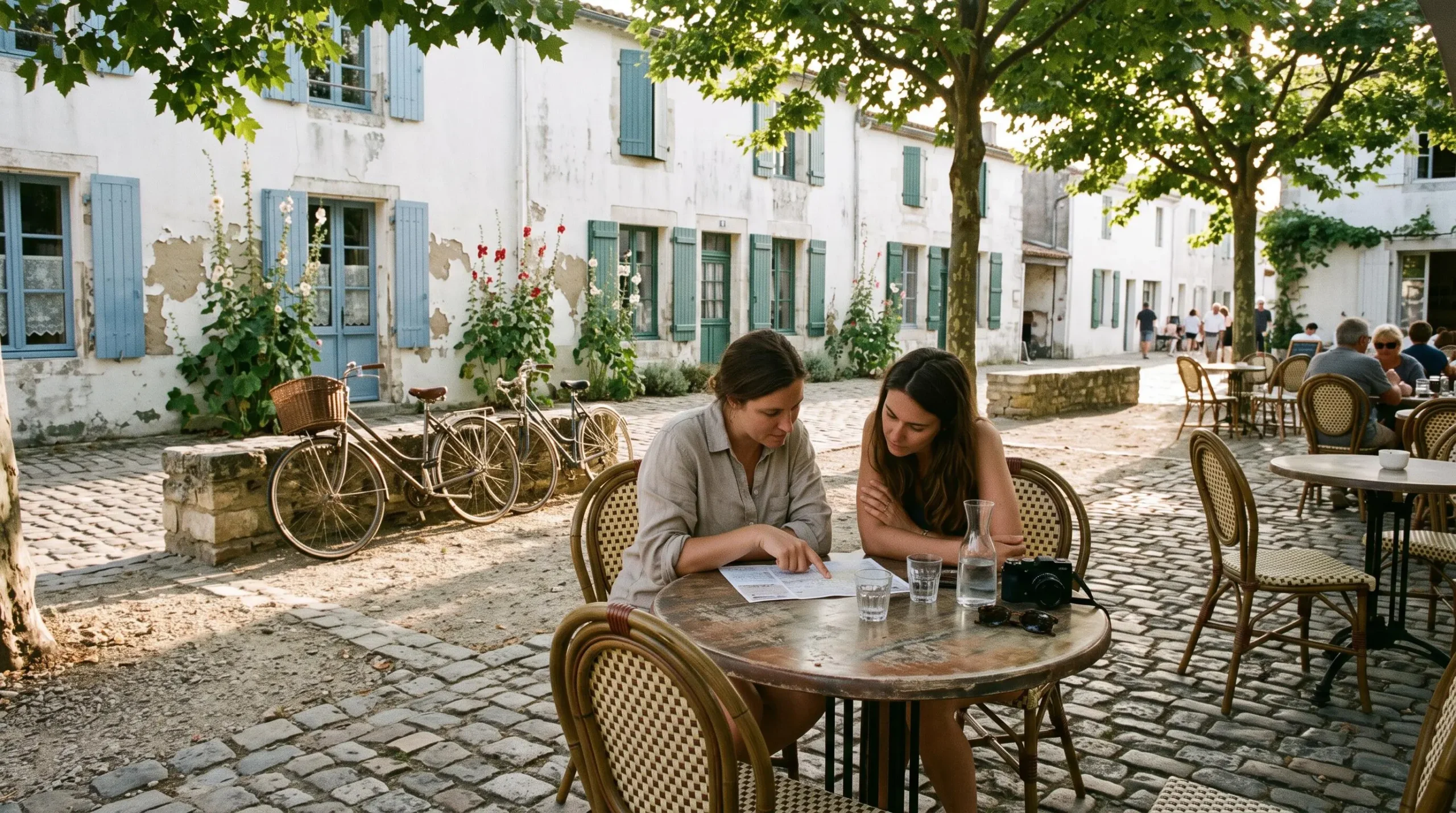
Should you cross the Passage du Gois, and when?
You should only plan the Passage du Gois if you can align it with the official tide timetable and your departure schedule. It’s a tide-dependent causeway: if your timing is tight, it’s not a “quick detour”—it becomes the whole plan.
Because tide windows change daily, use an official source for tide times (such as SHOM) and double-check on the week of travel. If you can’t make the timing work comfortably, keep your last day on the island and end with a beach or village walk instead.
A flexible last afternoon: relaxation first
If you leave later in the day, choose just one calm activity: a long beach stop, a short cycle on flat lanes, or a final harbour drink. In peak season, build buffer time for returning bikes and traffic near the bridge; in low season, build buffer time for shorter business opening hours.
Practical Tips: Getting There, Eating Well and Extending Your Trip
Getting there and moving around without stress
Most visitors arrive via La Rochelle and the bridge. Once on the island, you have three realistic ways to move around: cycling (best for short breaks), driving (best for limited mobility or distant accommodation), and seasonal public mobility.
For public transport, the Département de la Charente-Maritime provides navettes RespiRé et mobilité insulaire, with timetables that change depending on the period. If you travel in shoulder season, check dates carefully so you don’t plan a connection that isn’t running yet (or no longer running).
Eating well: the easiest options on a 3-day break
To eat well without over-optimising your schedule, use the island’s simplest “service journalism” rule: one market + one oyster moment + one sit-down meal in a village. Markets are efficient for picnics, and village restaurants work best when you commit to one area rather than chasing a specific address across the island.
If you extend your trip: keep the same “zone” logic
If you’re adding days, don’t change method—expand it. Add one extra zone per day (nature, beaches, or a quieter village cluster), and keep a half-day unplanned for weather and mood. If you’re looking for other ideas along the coast after Île de Ré, this selection of island escapes can help you compare atmospheres without locking you into a rigid route.
If your long weekend ends with a stopover in the capital and you want a straightforward food shortlist, Paris restaurants
With this itinerary, you’re not trying to “do” Île de Ré in three days—you’re using three days to experience it properly: one day of port-town character, one day of cycling through open landscapes, and one final day that stays flexible. Keep your days zone-based, check seasonal timetables with the tourist office, and you’ll leave feeling you caught the essentials without the stress.